
Film Screenings
Tuesday, 01 September 2026
| 15:00–16:30 | Mambang Kuneng: Listening to the Sea with Orang Laut (2026)Cinema RoomPublic Screening |
Wednesday, 02 September 2026
| 12:00–13:30 | Culture, Country and Carbon: An exchange across the Timor Sea (2026)Cinema RoomPublic Screening |
| 12:00–13:30 | Lisan and the Importance of Culture in Carbon Forestry in Timor-Leste (2024)Cinema RoomPublic Screening |
Thursday, 03 September 2026
| 10:00–11:30 | From Burma to Timor Leste (2025)Cinema RoomPublic Screening |
| 10:00–11:30 | Letter to a FriendCinema RoomPublic Screening |
| 10:00–11:30 | The AlienCinema RoomPublic Screening |
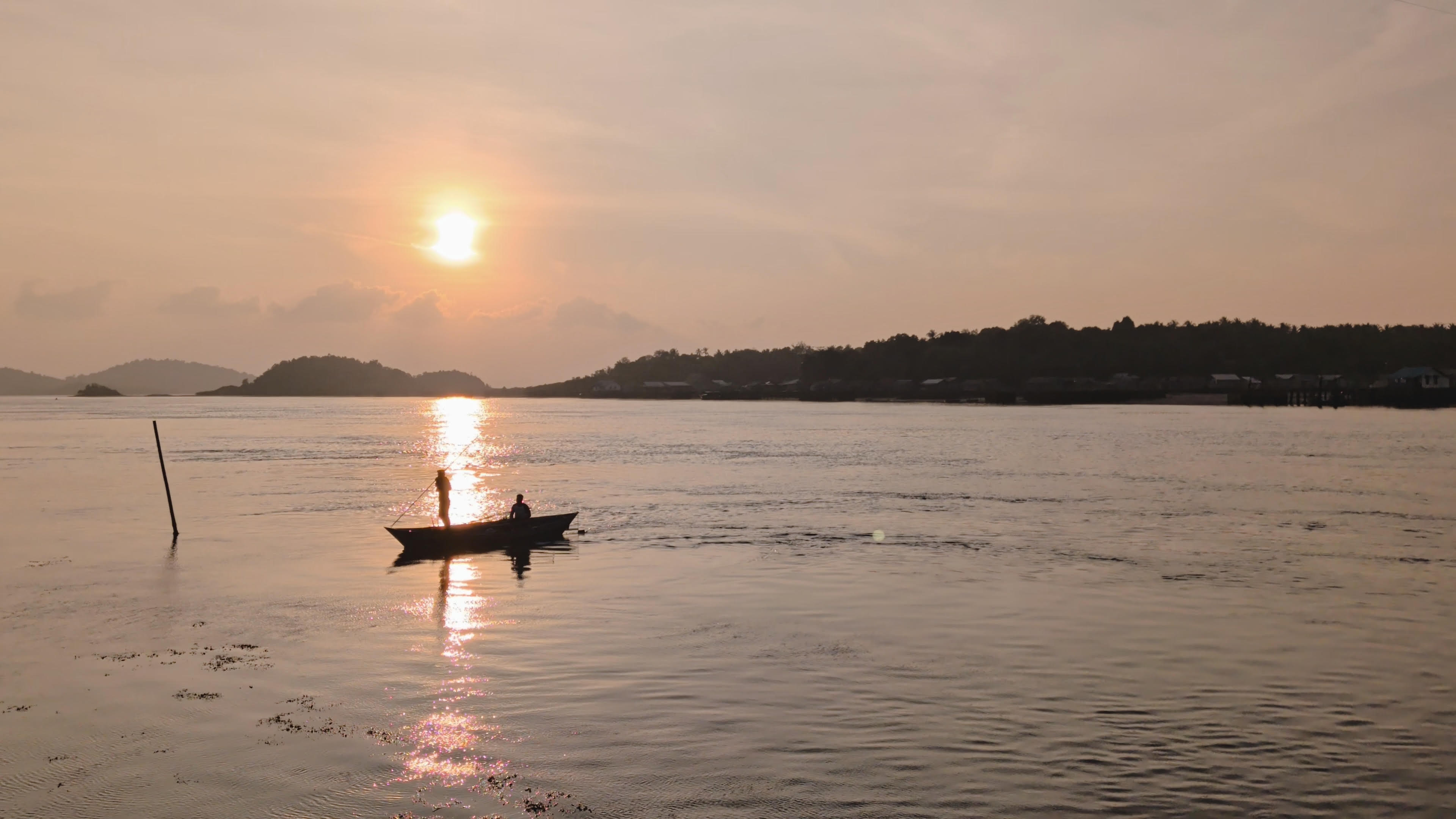
Mambang Kuneng: Listening to the Sea with Orang Laut (2026)
Directed by Di FangRiau Islands, Indonesia | Creative documentary | 27 min
Time & Location
Tuesday 15:00–16:30
Cinema Room
Synopsis
As a diver, filmmaker Di Fang has developed an intimate relationship with the sea. Travelling across Southeast Asia and spending time with maritime communities, she encounters the Orang Laut in Indonesia’s Riau Islands. Guided by local Orang Laut Bang Johannes, she follows stories of a changing sea at the edge of an expanding industrial landscape, where mangroves, fishing grounds, and ancestral places are increasingly under pressure.
Through underwater recording and a deep-listening session with Orang Laut fisherman Bang Nudi, another way of perceiving the sea begins to emerge—one shaped by sounds, memories, crocodiles, and other-than-human presences. Her journey eventually leads to Mambang Kuneng, a sea spirit described by Orang Laut elders, unsettling the boundary between what she has been taught to observe and what she has learned to listen for.
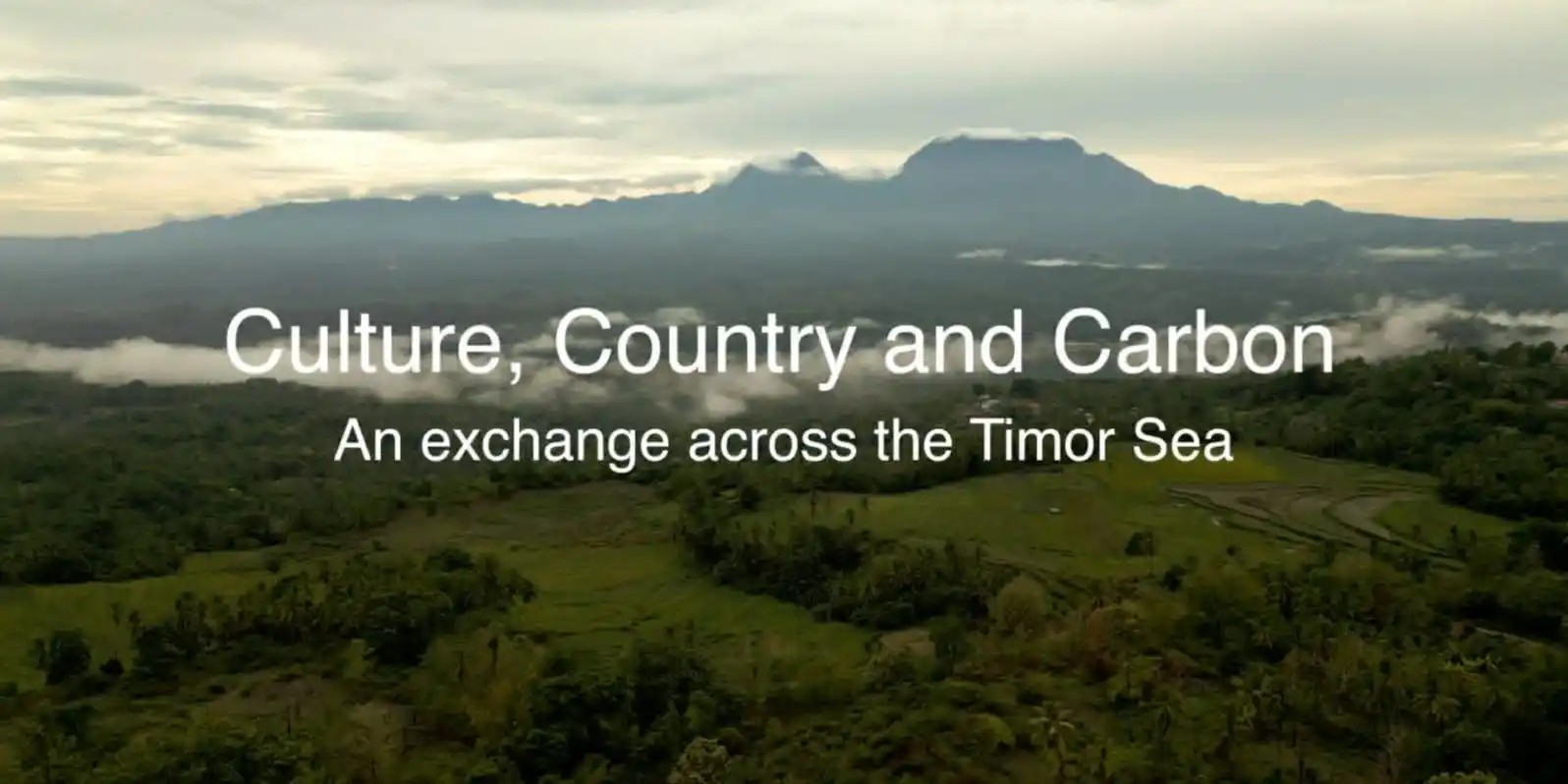
Culture, Country and Carbon: An exchange across the Timor Sea (2026)
Directed by Lisa Palmer (The University of Melbourne)| | 18 min
Time & Location
Wednesday 12:00–13:30
Cinema Room
Synopsis
This film examines the experience of two Indigenous communities, from Timor-Leste and Australia, who are involved in carbon trading schemes. Foregrounding the Indigenous governance, labour and more-than-human care involved in the schemes’ planting of trees and management of fire, the film makes visible the capacities, skills and customary structures on which these locally produced environmental markets depend. It encourages viewers to question why some forms of governance and labour are made or remain invisible and unvalued, and suggests new ways of thinking about the work, care and responsibility underpinning such schemes.
While the exchange between these Timorese and Australian Indigenous community members is grounded in the shared experience of violent and oppressive colonial legacies, both groups are now focussed on the socio-cultural and environmental repair of their communities. Despite vastly different postcolonial circumstances, broadly shared Indigenous governance practices underpin their ongoing struggles over land, resources, food, language, and cultural recognition. In this context, carbon markets are valued as one way of enabling Indigenous wellbeing and potentially increasing the outside value and recognition given to Indigenous governance processes.
The 40-minute film screenings in this session will be followed by a moderated discussion on the topic of Indigenous Knowledges exchange.
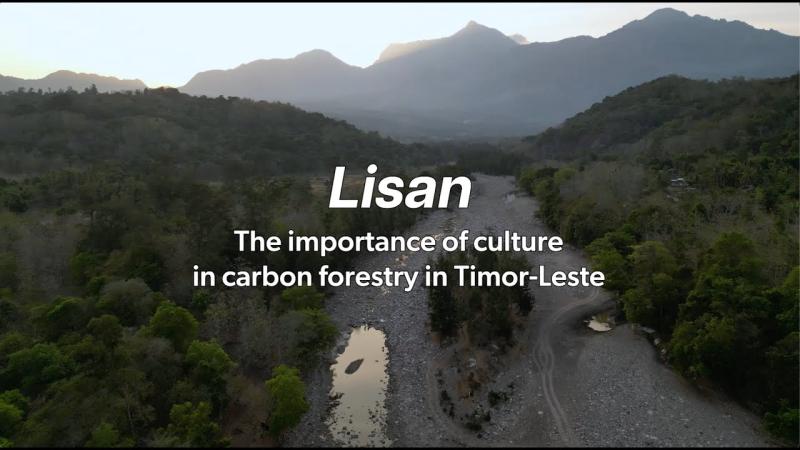
Lisan and the Importance of Culture in Carbon Forestry in Timor-Leste (2024)
Directed by Lisa Palmer (The University of Melbourne)| | 18 min
Time & Location
Wednesday 12:00–13:30
Cinema Room
Synopsis
In Timor-Leste’s Matebian mountain range, farmers participating in the Baguia region’s Ho Musan Ida carbon forestry program grow trees to sell carbon credits to the international market. The reforestation initiative is locally founded and controlled. It is built upon lisan, the deep social relationships people have with each other, their environment and their ancestors.
The 40-minute film screenings in this session will be followed by a moderated discussion on the topic of Indigenous Knowledges exchange.
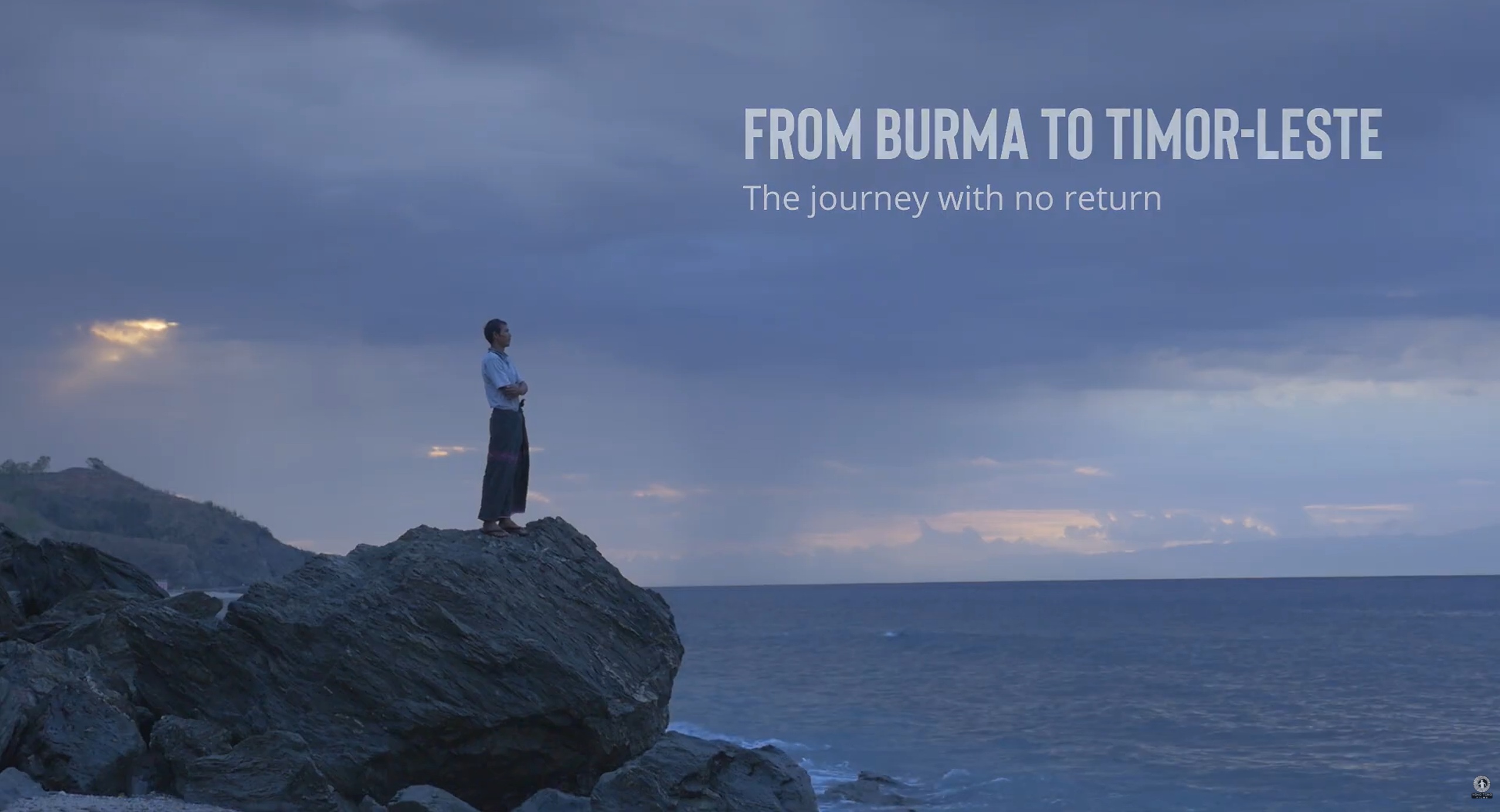
From Burma to Timor Leste (2025)
Directed by Jai Jai (Ngao Tong Films)| | 30 min
Time & Location
Thursday 10:00–11:30
Cinema Room
Synopsis
In 2006 two Burmese migrant workers on the Thai-Burma border thought they had found good paid work when they were offered an opportunity on a Thai fishing boat. Little did they realize they had become part of human trafficking. Enduring incredibly harsh conditions, unable to leave the boat or return home they finally escaped by swimming to Timor-Leste. In this documentary they tell their amazing story of exploitation and hardship and how they finally found sanctuary.
View More DetailsLetter to a Friend
Directed by Tzai Hleng Zung| | 14 min
Time & Location
Thursday 10:00–11:30
Cinema Room
Synopsis
Letter to a Friend tells the story of Shan migrants in Thailand fleeing conflict, repression, and forced military recruitment in neighbouring Myanmar. Narrating his story to a friend who stayed behind, the protagonist describes the dangerous journey from his home country, his struggles to secure a livelihood without legal rights, and his concern for friends who remain back home. Against the background of deteriorating human rights in Myanmar, and told in their own words, Letter to a Friend depicts the deep humanity and resourcefulness of this group of unrecognized refugees in an often forgotten part of the world.
The Alien
Directed by Sai Won Lue| | 11 min
Time & Location
Thursday 10:00–11:30
Cinema Room
Synopsis
Back in 2023, Nang Luen Khur, a migrant from Shan State, Myanmar, was arrested in Chiang Mai due to her illegal status in Thailand. During her time in prison she got harassed by a prison guard and she has lived with that pain until now. After 28 days in prison, the Thai authorities deported her back to Myanmar. Nang Luen Khur was determined never to return to Thailand…