Reflections on Essentialist Decoloniality and the New Filipino Essentialism
One of the many tensions in José Rizal’s Hamlet-like thinking concerns the definition of Filipino. At his best moments, he saw it as a multi-ethnic political project—a view he partly developed during his years observing and participating in the activism at the Universidad Central de Madrid. At his worst, he located nationality within an ancient “Malay” history and identity. Today, amid the rise of “decolonial” thought, Filipinos are once again negotiating this tension. Nativist ideas—“Filipino psyche,” a primordial “Austronesian Filipino identity”—are gaining traction amid a valid desire to challenge colonial modes of thinking. In this talk, I chart the rise of this new essentialism and grapple with the role of “identity” in the practice of Philippine studies and Southeast Asian studies. I propose two concepts crucial to the development of Southeast Asian studies—comparison and region—as possible correctives to inward-looking nativism.
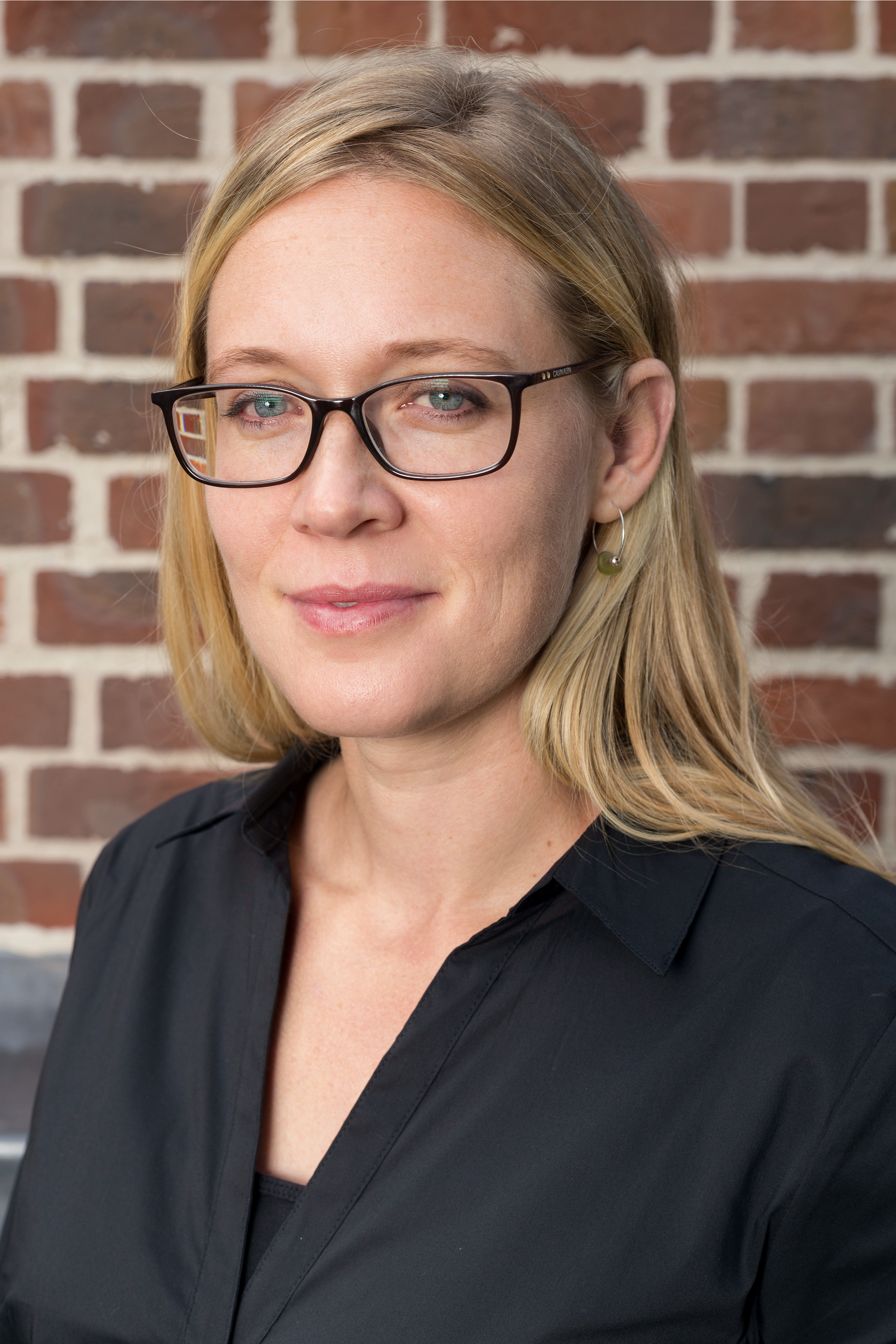
Lisandro E. Claudio is an Associate Professor of Southeast Asian Studies at the University of California, Berkeley, where he is also the Chair of the Center for Southeast Asia Studies. Born in Manila, he was educated at the Ateneo de Manila University and the University of Melbourne. His book Liberalism and the Postcolony: Thinking the State in 20th-Century Philippines won the EuroSEAS Humanities Book Prize and the George Kahin Prize. His most recent book is The Profligate Colonial: How the US Exported Austerity to the Philippines.
Lisandro E. Claudio
Keynote Speaker 2: Judith M. Bovensiepen
Politics beyond the human in Timor-Leste’s extractive economy
Political life does not begin and end with human deliberation, but unfolds through relations in which landscapes, animals and spirits are consequential participants. The active participation of more-than-human beings in politics – cosmopolitics – can unsettle neo-colonial land regimes and extractive logics, opening political space for alternative relations of obligation and coexistence. In Timor-Leste’s expanding resource extraction sector, the mobilisation of ancestors, animals, landscapes, and spirits enables local residents to contest extractive policies and frontier ideologies that render land empty, uninhabited, and legible only through productivist logics. However, more-than-humans participate in politics not only in ways that empower affected communities, but also in ways that generate new asymmetries. Crucially, resource elites mobilise more-than-human beings to legitimise extraction and symbolically prepare the ground for the reorganisation of labour, land and political authority. Research from Timor-Leste allows us to rethink current theories of cosmopolitics by showing that the incorporation of more-than-human beings into political life is not inherently emancipatory but can also be used to legitimise and consolidate new forms of extractivism.
Judith M. Bovensiepen is the Director of the Institute for Social Anthropology at the Austrian Academy of Sciences. Her research explores the intersection between religion and politics in Timor-Leste, where she has been carrying out fieldwork since 2005. Most of her work focuses on how human relations with the ancestral landscape are transformed by historical events, which led to the publication of her monograph The Land of Gold: Post-Conflict-Recovery in Inpendent Timor-Leste (Cornell UP). Her current research investigates the role of kultura in the implementation of a large oil and gas infrastructure project along Timor-Leste’s south coast.
Judith M. Bovensiepen
Keynote Speaker 3: Florentino Rodao
Fascist Inspiration in Southeast Asia
Fascism also had an impact on Southeast Asia. Although its influence has often been minimized and its adaptation to the region’s context posed all kinds of difficulties, some perceived it as a political option for the future, largely as an alternative to communism. Above all, however, it served as a source of inspiration. The lack of information or clear ideological references, the fascist and Nazi disinterest in internationalizing their movements, and the very different contexts of each country gave rise to highly diverse expressions, as well as different paths of development.
The conference examines the impact of fascism in Southeast Asia and its most significant manifestations in the region, both among European communities and among Asians themselves. It is framed within the broader meaning of fascism outside Europe, as it also had a presence in the Middle East, Africa, Latin America, and Asia. For example, the party most similar to the Philippine Fascist Party was the Chilean Nazi movement.
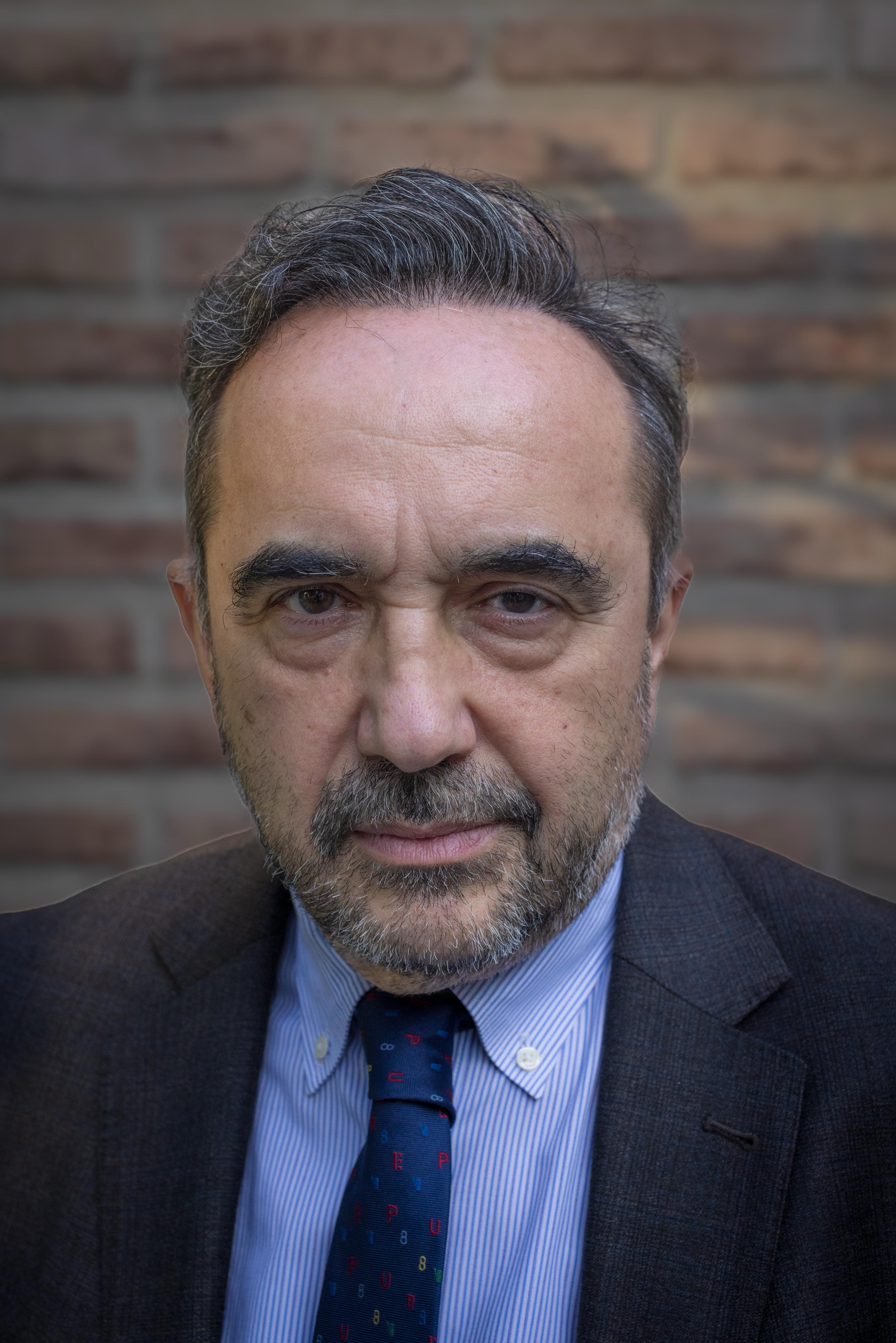
Florentino Rodao is Professor of Contemporary History at Complutense University of Madrid and the author of Fascists in the Philippines: The Spanish Civil War and the Commonwealth (Manila: National Historical Commission of the Philippines, 2026).